

Promoted from Within: Jesus Medina's Journey from Part-Time Dock to Frontline Leader
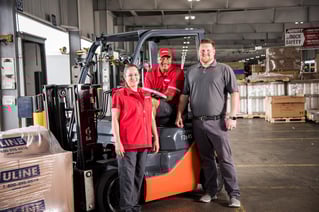
Jesus Medina has been a valued member of the Averitt team for six years, starting his journey with us as a part-time dock associate. His career...


From great pay and benefits to our late-model equipment to our state-of-the-art facilities, you'll find the best benefits on the road here at Averitt.
The Averitt blog features tips, videos, podcasts, news, and experiences from real team members.
A library of documents and downloads that can help you as you research your future career.
Click below to read real reviews from Averitt drivers and associates.
Want to learn more about an exciting career with us? Stop by an upcoming career fair or hiring event throughout our network!
Our staff of recruiters is available to call or text. Reach out now!
Chat now with our recruiter team to get the answers to your questions.
Answer a few quick questions to determine your best fit at Averitt.
Get the answers to our most frequent questions – or ask your own!
![]()
With so many options, a career in transportation is a smart step for you no matter what stage you are in. At Averitt, we have multiple opportunities to help you fine-tune your skills!
![]() |
![]() |
![]() |
Dock-to-Driver Program |
Leadership Development |
Part-Time Internships |
|
Get paid to work on the dock while learning the skills to earn your CDL. |
3- to 6-month training program designed to prepare trainees for an entry-level leadership opportunity with Averitt. |
Learn about the diverse services we provide while exploring various aspects of the supply chain management cycle. |
12 min read
Averitt Careers
:
8/4/24 12:00 AM
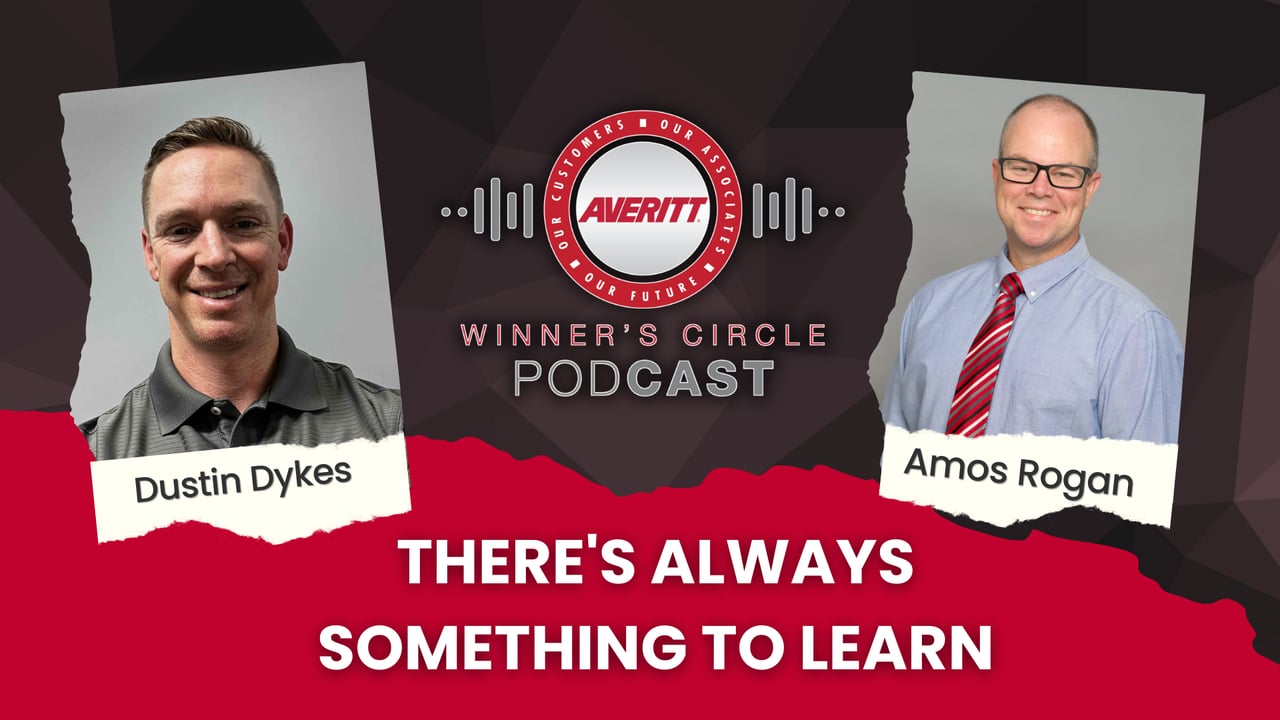
"Keep the driver moving." That's the motto of Dustin Dykes, Preventive Maintenance Front Line Leader at our Tifton, GA service center. Dustin, a veteran who has been in maintenance for over 20 years, explains how today's modern equipment and our team's technology work hand-in-hand to make sure that our drivers are on the road and our equipment is in the best shape it can be. Learn more about Dustin's journey and his efforts to keep Averitt drivers moving in the video below.
Welcome to the Winners Circle, the podcast for all Averitt associates no matter where you are or what you do. Don't forget to subscribe on your podcast app of choice so you can be sure not to miss out on new episodes. And now LTL operations leader and host of the winner circle, James Rogan. Hey, team. Welcome to the winner circle. Thanks so much for listening. Great to have you. We just kinda surpassed the halfway point of twenty twenty four, and my goodness, how time has flown by as far as that goes. But what a great year that we're having so far in all of our different business units or verticals, the products and services that that we offer. Everything's doing outstanding. You know, we're already seeing some customer accolades and recognitions and rewards coming in, and and, it's all because of you. So thank you very much for everything that you're doing. It it's it's being noticed, and it's being accounted for. And it's showing up in our business levels, our revenue growth, our profit sharing, all those types of things. And, and we're doing great. So keep up the great work that you're doing, and thank you so much. Today, we've got a interesting podcast for you, something that I feel like is kind of in the behind the scenes type of area, that we have, but it's so essential. And that's our preventative maintenance group. They do a fantastic job on a daily basis keeping our equipment rolling no matter what the business unit is. They do a fantastic job at making sure that our uptime and our reliability is as best as it possibly can be for our drivers, for all of our associates. Because without good functioning equipment, we can't operate the way that our customers and ourselves expect us to do so. So with that, we have our, preventative maintenance leader from our Tifton service center, mister Dustin Dykes with us. Dustin, welcome to the podcast. Welcome to the winner's circle. Thanks for having me. Dustin, you know, it's not about just changing oil and changing tires anymore, checking antifreeze, or or anything like that. Our our trucks are very much very high-tech, pieces of equipment that we have to have that knowledge about it. Tell us just a few things, that our technicians, our preventative maintenance associates that we have in Tifton and really everywhere across the the system has to use and utilize now, in order to properly repair, let's say, a a tractor that needs some attention. Right. So, again, so with our equipment now, it's it's much more advanced than what it has been. So, again, I've been doing this for a long time, over twenty years now, and the equipment has become a lot more electronically driven. Okay? So there's more modules. There's more sensors, things like that. And they all communicate with one another twenty four seven. And when one aspect over here tends to fail, it messes with the whole system overall. So it's hard to just go out there and diagnose it without a computer and look at things. So we we really rely on our diagnostic software to really help assist us in navigating where we need to have these repairs done. And it cuts down so much unwasted downtime. Right? So this diagnostic software, it is phenomenal. We use it nearly day here in. Alright? It cuts down again on unnecessary waste and maintenance costs as far as just throwing parts and equipment, wasted downtime, it's almost a snowball effect. Right? So Yeah. When we use this equipment and we can get our equipment back out there faster, you know, our freight's getting to the customers on time when they're supposed to be. Our drivers are, their equipment's safe. And it keeps the people out there on the road that we drive by every day safe as well. So So you're talking about the diagnostics and and some of the things that, you know, y'all are hooking up laptops to to trucks now and, really finding out. But now even these trucks, in many cases, I know our our Freightliners do, and I'm pretty sure our Volvo trucks do as well. They have remote diagnostics. So the trucks are actually communicating themselves when there is a potential issue coming up that may not even alert the driver yet, that that there's something wrong, but it alerts us from our corporate maintenance team, which then all, initiates communication to the closest shop for our drivers to let them know, hey. This truck looks like it may have a coolant leak in here. It's not at the critical level yet, but we may have a problem. We wanna create a shop plan, for that truck. So and we're gonna route it in there so we don't have a credit a catastrophic type of failure for the truck or a breakdown on the side of the road. So we're even trying to be preventative well upstream on that. Right? Right. Yep. So this can go in in a few different directions. So the remote diagnostics helps out with the shop leaders, for example. So when something, triggers a check engine light or even doesn't, trigger the check engine light, the triggers of a fault behind the scenes and the driver can't see it, the the maintenance team will email the related shop. And, we can already have a game plan ready to go, an associate technician assigned, you know, for whatever it is that that it might be. And in some cases, with repetitive remote diagnostic, fault codes, we can all sometimes determine what the cause already is and already have maybe a part on hand. So we're not when the driver gets here, we're not wasting time or the parts houses are closed, and we have to wait till the next day. And, again, for we're we're we're trying to think micro and macro here. So we're we're doing stuff up front, but on the back end of it. So there's there's things that happen on the equipment that a lot of drivers aren't aware of that's happening. Right? And And we don't wanna cast off a failure. We don't wanna have to replace an engine. We don't have to replace the transmission, things like that. So we're saving time and money in the long run is is just as much as we are on the front end. And, you know, personally, I had the opportunity to know some of that stuff because of my regular job here at Averitt Express and and working so closely with the maintenance group, as well. But, you know, I don't think a lot of people, a lot of associates within our team know how prepared we are within the shop for one of those types of instances coming in, and that that's a great example that you just that you just gave us, is that we're being so proactive in those types of situations because there's two things that are paramount in these situations. Keep the driver moving because of their hours of service. Constraints them enough, to where, you know, we need to keep them up and going as much as they are available to be up and going. And then also the customer expectations of making on time service of their shipments, whether it'd be dedicated truckload or LTL. Right. So, you all play an integral part within that. Tell us from a shop leader standpoint, because you are in leadership within our Tifton preventative maintenance facility, how do you communicate those those qualities and that sense of urgency to our shop associates there to where they know and understand this isn't just about fixing a truck. There's a bigger admission here at hand. Right. Well, you know, it it's it's easier for me here because, the shop associate I have are phenomenal. They're they're a great team, and they all each individually have phenomenal work ethics. And they take what they do very seriously, and they don't let anything leave here with a doubt in their mind or whatever it is that it came here for, they fixed it. Right? They they take great pride in what they do, and it makes them feel makes them feel great when other drivers constantly comment about the phenomenal work that they're doing here. And a lot of the drivers, you know, they choose to come to Tipton for their maintenance. Right? So our drivers, a lot of them have the ability to go to any shop within their route. And, a lot of them choose here, and it makes me feel great that they they choose to come to Tipton because we do a lot of LTL maintenance here. Right? We're right off I-seventy five. And it's just I don't really have to do anything. These are bunch of great people that work here, and I don't really have to express the importance they know, and they do it every single day. Yeah. And you're absolutely right. That you guys do a phenomenal job, at that. I think one of the things that, you know, our drivers really rely on our preventative maintenance associates to do is learn more about the truck that they're driving because who knows that truck better than the driver themselves than the preventative maintenance folks because they've gotta know just as much about the truck in order to repair or address any sort of situation with her. You all are really relied on, probably more so than people realize, that you're doing a little bit of driver training as well in in terms of when a driver gets into a new truck. Hey. What's this switch? What what the truck is doing this in this situation? What do you think that it is? You all really have to stay up abreast to what's going on with the truck technology year after year. Right? Correct. So we use a lot of these opportunities as teaching moments. Right? So regardless of your position and where you are in the in the company, there's always availability to learn. Right? And no matter how long we've been doing this job, driving trucks, working equipment, whatever, there's always learning. Right? So just an example, yesterday, we had a driver who came in with low, steer axle oil. Right? And I had to explain to him that it wasn't just because it just lost oil. It burned. There's a reason why it's losing that. Right? And turns out he has a blown wheel seal, which is a big safety and DOT violation. Right? We wanna make sure that our our trucks and our drivers are safe, but it's not just that. We drive these roads every single day with moms, dads, and and everybody else. Right? And we're trying to keep everybody across the board safe every day. We these drivers today, they're phenomenal. They have had to adapt and change a lot within the commercial industry. Right? Because our equipment has changed drastically within about really the past decade, but more so in the last five years. Right? Everything has changed. They're becoming more like our personal equipment at home. Like our cars, they have screens and buttons and switches, all kinds of things in it. Right? So they are a lot more they're they're adaptable. Right? And they're and they're learning. And there's only a few things. They're pretty good because a lot of the the the newer drivers we're hiring now are more of the electronic age we have been driving since the nineties who they're we have been driving since the nineties who their equipment was so boxy. Right? And they're having to learn and change and adapt to the equipment we have now. Some sometimes it's pretty difficult for them. Right? They don't understand why we have these, these new softwares on the truck where the lane changing or reduced stopping distance things. Right? And we have to explain to them why we have those things. And I think they're they're picking up on it pretty well, and they're adapting pretty well. I would agree. I would agree. You know, with that sense, maybe give us some some idea of some areas, where our our driving associates, particularly, but, maybe in other areas, where we can keep our equipment up and going at a high level, at a at a reliable level, what are some of the preventative things that from a shop leader, a maintenance leader standpoint, should really be something that we should be paying attention to on a daily basis? I'm I'm really big on the pre trip and post trip inspections of all equipment. Right? So Mhmm. A lot of our equipment that we use, we share. So there might be multiple drivers per truck, and we all pull trailers differently. Right? So I'm big on every day coming in, spending the equipment to make sure because I wanna be proactive, not reactive. Right? And in this business, it's dangerous to be reactive. Right? So because we're on the road with very heavy pieces of equipment, and we we need to keep everybody that we possibly can't save at all times. Right? So daily inspections. And even if you do your daily inspections every single day, but this one day you choose not to because nothing's ever been wrong, you know, we don't wanna get in that complacency. It needs to be every single day. Yeah. Yeah. So I I I I think that's fantastic. Tell us a little bit about you. Obviously, we're talking about preventative maintenance, and and you've said that you've been in preventative maintenance for for twenty plus years. Tell us a little bit about your step yourself and how you got to Averitt and and how you got into the maintenance side of of the team. Okay. Well, I've been doing maintenance for more than half my life. So I've been doing it for about twenty two years, exclusively. So I started when I was seventeen when I joined the army. I did diesel, diesel maintenance, and I did, construction equipment maintenance. Did that for about eight years, and then I took about a year break and reenlisted in the air force reserve. And, I've been working on aircraft for about past fourteen years doing that. And then I started here at Averitt back in November on Veterans Day, actually, in twenty thirteen. I've been doing it ever since. So maintenance has just been my life. I grew up in it, and it's been my career. That's that's cool. And, by the way, thank you for your service. We really appreciate it. All of our veterans that we have, here on the Averitt team, are so valued. And and, you know, they're they've got cool stories of their own before they came to Averitt just simply because of their military history and some of the things that they've done. And it's so awesome how, some of those experiences from, the military have translated over into to being successful character building attributes that allow them to, really flourish inside of Averitt as well. And and I think you're an excellent example of that. One thing that I would like to ask you is is is knowing that you've been able to experience military culture and, Averitt culture now. What are what is something that you really like about the Averitt culture that you try to instill, into yourself as well as your associates on a daily basis? Well, I know a lot of people who know me know that I talk a lot about my military career because I'm still actively serving now. It's been a big part of my life. It's been a big, huge part about who I am and and why I do what I do and how I lead. The lead well portion of the agriculture is where I I really strive in. I enjoy seeing the faces of the technicians when they achieve something. They they think that they don't have the ability to do it, but I push them to do it, and they succeed in it. The biggest thing is I wanna grow them. I I want them to look I want them to look more than just being the technician on the floor, the behind the scenes. Right? So Yeah. Every associate in the shop has the ability to be a frontline leader. They have the ability to be anything they wanna be with the NeighborExpress. I want to ensure that they know that they have the options, and they have the pathway there to really do. Mhmm. Again, the guy the associates that I have, are phenomenal. And they have they have the potential, and Averitt provides a phenomenal path, really, in any direction. It could be Upwork, horizontal for anybody to do anything, and they have the ability to do it. I just want them to know that they they have they have it. Yeah. It's it's it's, you know, everybody has a purpose. Everybody has an opportunity to do things in a way that, influences and impacts others. And, it's not all about the title. It's about what you do and the impact that you make irregardless of what your title is. So I I wholeheartedly agree that it's not always the advancement. The lateral moves are just as important as, the advancement moves as well. It's all about the impact that we make. So, Dustin, thank you so much. Again, thank you for your service to our country and your continued service. Thank you for our service to Averitt and what you do in order to keep our customers happy, our drivers happy, our our cost saving measures to keep us as profitable and productive as we possibly can. Couldn't do it without you, man. Appreciate you. Thanks. Thanks, Ken. Folks, as we close out this this podcast, I wanna talk to you a little bit about preparation. Success doesn't just magically happen. We have to be prepared for it. Oftentimes, we can get into a place within ourselves and with our tasks that we get so confident that we think that we can do things with our eyes closed because we've been doing it for so long. But if we do it that way, are we keeping our eyes open for the opportunities of tomorrow? So I challenge you to ask yourself on a daily basis, am I prepared to be the best very best version of myself that I can be in every single way? Because preparation can identify areas of improvement. It can condition us for the daily challenges that we face, and it can build a very strong character. So I want you to to think about this in a way that not only our preparation can prepare ourselves on a daily basis, it can also serve as an example for those others around us in an influential way that they need to be prepared for the things that they have to do as well. So what I'm getting at is is preparation can be an opportunity to sow seeds into ourselves, sow seeds into our team. And when we do that, we are preparing ourselves for the growth of the future to be the very best, the carrier of choice. And that's how we stay in the winter circuit. So thanks so much for listening today. Be blessed, be safe, and we'll talk to you next time.
Ready to start your Averitt journey and work alongside creative associates like Dustin? Give our team a call today or click "Apply Now" to see openings in your area!
Jesus Medina has been a valued member of the Averitt team for six years, starting his journey with us as a part-time dock associate. His career...
In the latest episode of From the Driver Seat, host David Broyles sits down with Ed Smith to spotlight one of Averitt’s fastest-growing...
Promote From Within is a cornerstone of our culture, and we have countless stories that show how we truly support and uplift our associates...
10 min read
Our Vice President of Dedicated operations Dan Singer talks with Alan Stanley, who is retiring from our Nissan team after more than 35 years with...
In this episode of The Winner's Circle, host Amos Rogan sits down with Atlanta East transportation specialist Sandy Sherer and her son, Brandon...
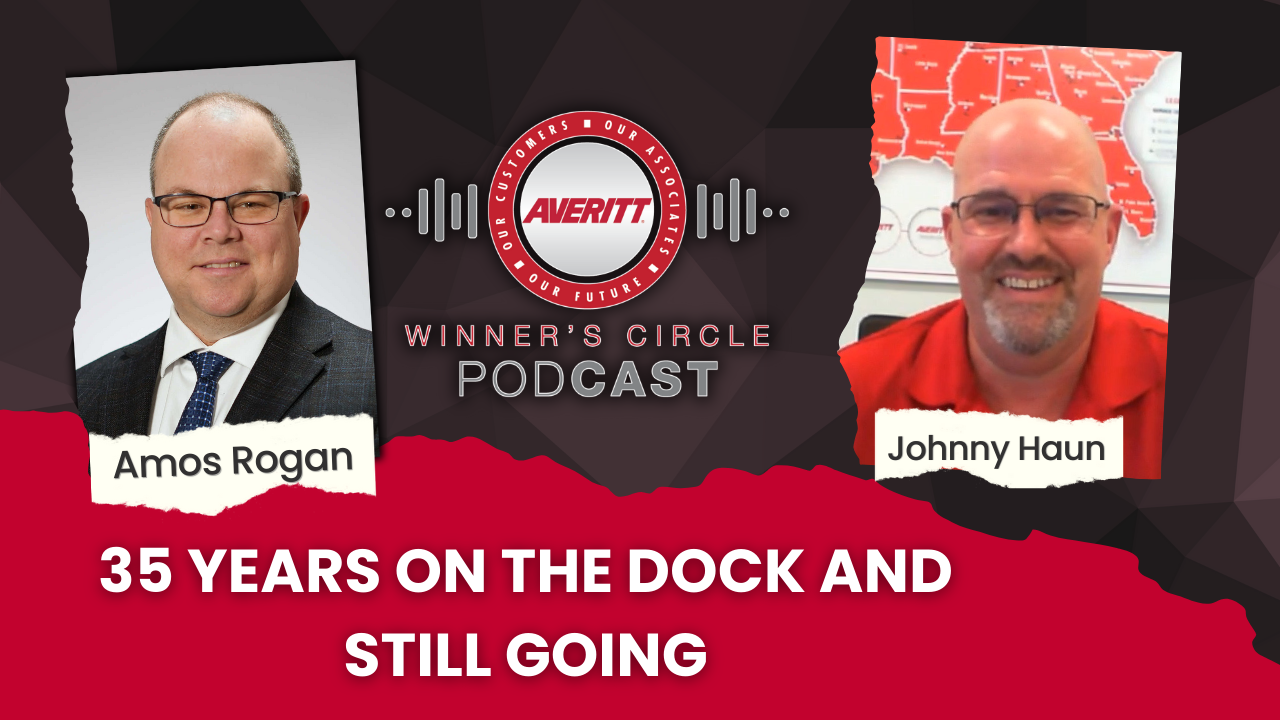
Knoxville dock associate Johnny Haun joined our team after graduating from high school, intending to have a part-time job for the summer. And 35...